
Reviewed By: Dr. Paul M. Griffey
An ocular migraine is a temporary visual disturbance, such as zig-zag lines, flashing lights or a blind spot, that usually lasts 5 to 60 minutes and often happens without a headache. Most cases are migraine aura affecting both eyes and are not dangerous. Vision loss in one eye, symptoms lasting over an hour, or new weakness or speech problems need prompt medical care.
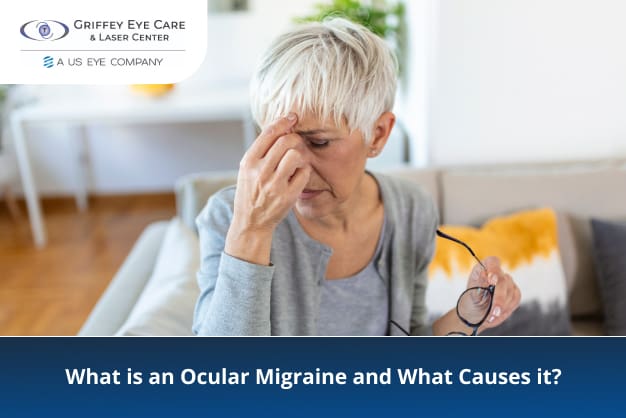
Visual static, zig-zag lines, a spreading blind spot that erases half a sentence, and an ocular migraine can turn an ordinary hour into a light show. Because the episode is usually brief and may arrive without head pain, many people shrug it off or mistake it for an eye problem rather than a neurological one. Understanding the mechanics, triggers, and warning signs helps you stay calm and know when to call the doctor.
Table of Contents
What is an Ocular Migraine?
An ocular migraine typically refers to temporary changes in vision associated with migraine. These visual symptoms may include flashing lights, shimmering patterns, or blind spots. They can occur with or without headache pain and most commonly involve migraine aura, although the term is sometimes used to describe the rarer condition known as retinal migraine.
Doctors use ocular migraine as an umbrella term for migraine attacks that feature visual disturbances. Classic symptoms, called aura, originate in the brain’s visual cortex and appear in both eyes. A related but rarer condition, retinal migraine, affects only one eye and stems from reduced blood flow inside the retina itself.
The term ocular migraine is informal and is not a distinct diagnosis in the International Classification of Headache Disorders. It has historically described both migraine with aura and retinal migraine. People also search for similar visual symptoms using terms such as optical migraine, eye migraine, visual migraine, silent migraine, and ophthalmic migraine, although these labels are not always interchangeable.
An ocular episode lasts five to sixty minutes and may arrive with or without the throbbing head pain we associate with migraine. If the light show comes but the headache never follows, you’re experiencing an ocular migraine without headache, sometimes nicknamed a “silent” migraine. The absence of pain doesn’t mean you should ignore the event; it simply changes how you manage it.
Ocular Migraine Without Headache (Silent Migraine)
An ocular migraine without headache occurs when visual aura symptoms develop without the typical migraine head pain. Also called migraine aura without headache or silent migraine, it may involve flashing lights, blind spots, or zig-zag patterns that gradually disappear. Aura can occur without a headache, but new painless visual disturbances should be evaluated by a healthcare professional.
What Does an Ocular Migraine Look Like?
Ocular migraine symptoms often appear as shimmering lights, zig-zag patterns, blind spots, or kaleidoscope-like changes in vision. These disturbances may begin in a small area and gradually spread across the visual field. Most migraine auras last between five and sixty minutes, although the appearance and intensity of symptoms can vary between individuals and episodes.
Most people describe one or more of the following:
- Shimmering or flashing lights that spread outward like ripples
- Jagged, kaleidoscope-style lines
- A growing gray or blind spot that erases central vision
- Temporary vision loss from migraine that lasts up to an hour in one or both eyes
Closing your eyes won’t stop the display because it’s generated inside the brain, or inside one retina during a retinal attack. Note the time, rest your eyes, and watch how the pattern evolves; that timeline helps your doctor confirm the diagnosis.
Kaleidoscope Vision and Zig-Zag Lines
Kaleidoscope vision is a visual disturbance in which patterns appear fragmented, colorful, shimmering, or similar to looking through a kaleidoscope. It may occur during migraine aura, including episodes without headache. Zig-zag lines can also expand across the visual field before gradually disappearing. These symptoms are among the visual changes described in the American Migraine Foundation’s guidance.
What Causes Ocular Migraines?
What causes ocular migraines is not fully understood. The American Migraine Foundation links migraine aura to a wave of abnormal electrical activity moving across the brain’s visual cortex, while retinal migraine may involve changes in blood flow to the retina.
The main mechanisms and contributing factors include:
- Brain activity: Migraine aura may result from a spreading wave of altered electrical activity in the visual cortex.
- Retinal blood flow: Retinal migraine may involve temporary changes in blood flow to the retina.
- Family history: Genetics may play a role, although having relatives with migraine does not mean you will necessarily experience ocular migraine symptoms.
Researchers haven’t pinpointed a single culprit, but most agree the root is a temporary change in blood flow or electrical activity across visual pathways. Common triggers include:
Can Stress Cause Ocular Migraines?
Stress is a commonly reported trigger for ocular migraines and migraine aura. Emotional strain, disrupted routines, and periods of heightened stress may contribute to attacks in susceptible individuals. However, stress does not trigger every episode, and the relationship varies between people. Identifying personal patterns can help guide prevention strategies.
- Stress – Can stress cause ocular migraines? Yes. A surge of stress hormones can tighten vessels and excite neurons, shortening the fuse on an attack.
Can High Blood Pressure Cause Ocular Migraines?
High blood pressure is listed as a possible ocular migraine trigger. However, this does not mean elevated blood pressure causes every visual migraine episode. Sudden visual disturbances should not automatically be attributed to blood pressure or migraine because other medical conditions can produce similar symptoms.
- Blood pressure swings – High blood pressure is listed as a potential ocular migraine trigger, although the precise relationship and underlying mechanisms are not fully established.
Other Common Triggers
Ocular migraine triggers vary between individuals and may include hormonal changes, bright lights, dehydration, and disruptions in daily routines. It also identifies smoking, certain hormonal contraceptives, physical exertion, high altitude, low blood sugar, heat, alcohol, and caffeine as possible triggers. Tracking when symptoms occur can help reveal patterns.
- Hormonal shifts – Estrogen fluctuations around menstruation, pregnancy, or menopause frequently coincide with migraine flares.
- Visual strain – Hours of unbroken screen time or intense close-up work can light the fuse.
- Environmental jolts – Bright strobe lights, dehydration, skipped meals, and low blood sugar, excessive heat, alcohol, and caffeine are classic sparks.
- Other reported triggers – Smoking, hormonal contraceptives, exercise, bending over, and high altitude are also listed as potential triggers.
Keeping a migraine diary, including meals, sleep, stress level, and weather, often reveals patterns you can modify.
Is an Ocular Migraine Dangerous?
Most ocular migraine episodes involving typical visual aura are not dangerous and resolve without lasting vision problems. However, some conditions affecting the retina, blood vessels, or brain can cause similar visual disturbances. New symptoms, vision changes affecting one eye, or unusual episodes require medical evaluation to rule out more serious causes.
For most, an ocular attack is unsettling but harmless, fading without lasting damage. Still, identical symptoms can signal trouble. Are ocular migraines a sign of a serious condition? Occasionally, yes: sudden vision loss, weakness on one side, or difficulty speaking can mimic a stroke or retinal detachment. Arrange prompt medical evaluation for any first-time or dramatically different episode. Seek emergency medical care immediately if stroke warning signs develop.
Can an Ocular Migraine Be a Sign of a Stroke or Something More Serious?
An ocular migraine is not the same as a stroke or mini-stroke, but some symptoms can overlap. Stroke-related vision problems may resemble migraine symptoms. Sudden facial drooping, weakness on one side, difficulty speaking, or sudden loss of vision require emergency medical attention.
Sudden visual disturbances can also result from retinal conditions. For example, a retinal tear may produce brief flashes in one eye, sometimes accompanied by new flashes and floaters. The American Academy of Ophthalmology emphasizes that a comprehensive eye examination is necessary to determine the cause.
When to See an Eye Doctor
You should seek medical evaluation for new or unusual ocular migraine symptoms, particularly when visual changes affect only one eye or differ from previous episodes. It recommends prompt assessment for newly experienced visual symptoms, including episodes lasting less than five minutes or longer than sixty minutes. A comprehensive eye exam can help evaluate possible eye-related causes.
Call your eye doctor or go to urgent care if:
- Visual symptoms persist beyond an hour
- Only one eye is affected (could be a retinal migraine or retinal detachment)
- You develop new neurological signs—numbness, slurred speech, balance issues (seek emergency medical care immediately if stroke is suspected)
- Headache pain is explosive or “worst ever”
- Visual changes last less than five minutes
- You experience new visual disturbances without a headache
- You develop a new headache or unfamiliar visual symptoms
- Headaches or visual changes begin after age 50
Prompt evaluation rules out eye disease, vascular problems, or neurologic emergencies.
Ocular Migraine vs. Retinal Migraine
The main difference between migraine with visual aura and retinal migraine is where the visual disturbance originates and whether it affects one or both eyes. Typical migraine aura involves the brain’s visual cortex and appears in both eyes, while retinal migraine affects one eye. Because one-eye vision loss can have serious causes, it requires prompt assessment.
Although the two phrases get used interchangeably, they arise from different parts of the visual pathway:
An Ocular migraine starts in the brain’s visual cortex. The shimmering pattern, zig-zag line, or expanding blind spot shows up in both eyes—even if you cover one—and usually fades within an hour. Head pain may follow, but many people experience an ocular migraine without a headache. Long-term risk to the eye itself is extremely low, though the episode can be unnerving.
A Retinal migraine, by contrast, affects the blood supply to a single retina. Vision dims, grays out, or disappears in one eye only—often for minutes. As circulation returns, sight clears. Repeated retinal events can, in rare cases, threaten the delicate tissue at the back of the eye, so report any one-sided blackout to an eye-care professional as soon as possible.
Can an Ocular Migraine Affect One Eye or Both Eyes?
Migraine aura usually affects both eyes because it originates in the brain’s visual processing areas. Retinal migraine, which is much less common, affects only one eye. Visual changes limited to one eye may indicate a more serious condition, making prompt medical assessment important.
| Feature | Ocular Migraine (Migraine With Aura) | Retinal Migraine |
| Where it starts | Brain’s visual cortex | Retina, potentially involving blood flow |
| Eyes affected | Both eyes | One eye |
| How common | More common | Rare |
| Typical duration | 5–60 minutes | Usually minutes, often within 5–60 minutes |
| Headache | May or may not follow | Usually occurs with other migraine symptoms |
| What to do | Seek medical advice for new or unusual episodes | Seek prompt evaluation for any one-eye vision loss |
A simple at-home test helps you tell the difference: cover one eye during the disturbance. If the pattern is still there, you’re likely seeing an ocular aura generated in the brain. If the view clears, the problem is confined to the uncovered eye and could be retinal—or something even more urgent—so seek care quickly.
This check is not a substitute for a comprehensive eye examination or medical diagnosis.
How to Get Rid of an Ocular Migraine
There is no immediate way to stop an ocular migraine once visual aura begins. Most episodes improve on their own, but resting in a quiet, dimly lit environment and avoiding known triggers may help you remain comfortable. Frequent or disruptive attacks may require preventive treatment prescribed by a healthcare professional.
There’s no instant off-switch, but you can blunt the impact and shorten the show:
- Dim the glare. Lower lights, close curtains, and silence screens.
- Rest your eyes and mind. Sit or lie down; slow, deep breathing calms the nervous system.
- Cool compress. A cold pack on the forehead or temples eases accompanying pressure.
- Hydrate and refuel. Water and a light snack counter dehydration or low blood sugar—two common triggers.
For frequent attacks, doctors may recommend preventive medications, including calcium channel blockers or certain anti-seizure medications, depending on the specific migraine diagnosis. The American Migraine Foundation discusses these treatment approaches. Talk to your doctor before starting, stopping, or changing medications or supplements. Controlling blood pressure, improving sleep, and scheduling screen breaks remain cornerstone habits for lasting relief.
Living Well with Ocular Migraines
Living with ocular migraines often involves recognizing personal triggers, maintaining consistent routines, and discussing recurring symptoms with a healthcare professional. Tracking episodes can help identify patterns involving stress, sleep, dehydration, or environmental factors. Regular medical check-ups also provide opportunities to assess conditions that may contribute to visual disturbances.
While the science continues to evolve, self-management makes a noticeable difference:
- Track triggers. Apps or journals reveal patterns faster than memory alone.
- Vent stress often. Yoga, brisk walks, or two-minute breathing drills defuse pressure before it sparks an attack.
- Keep routine check-ups. Annual eye exams and regular blood pressure checks catch silent risk factors early.
- Educate your circle. A quick explanation helps family and coworkers understand why lights need dimming or why you’re stepping away from the monitor for fifteen minutes.
The Takeaway
An ocular migraine usually causes temporary visual changes rather than permanent eye damage. Recognizing the difference between migraine aura and retinal migraine, identifying triggers, and understanding when to seek medical attention can help you respond appropriately. New or unusual visual symptoms should always receive professional evaluation.
An ocular migraine may turn ordinary vision into a temporary kaleidoscope, but it rarely signals lasting harm. Learn to distinguish its light show from the one-eyed blackout of a retinal migraine, watch for red-flag symptoms, and work with your doctor to fine-tune prevention. With trigger management and healthy routines, most people keep episodes brief, infrequent, and well within their control.
If you experience recurring or unexplained visual disturbances, a comprehensive eye exam can help evaluate possible eye-related causes.
Have questions about ocular migraines? Call 1-888-873-9348 or schedule an eye exam online at our Chesapeake location. Our team is ready to support your eye health.
**Please note that the suggestions provided in this blog are for general informational purposes only and may not be suitable for your specific insurance plan and needs. It is important to consult a qualified healthcare professional for personalized advice and treatment.**
Frequently Asked Questions
Can You Have an Ocular Migraine Without a Headache?
Yes, an ocular migraine can occur without a headache. This is commonly called migraine aura without headache or silent migraine. Symptoms may include flashing lights, shimmering patterns, blind spots, or kaleidoscope vision. Although these episodes often resolve within an hour, new visual disturbances without headache should be evaluated by a healthcare professional to rule out other conditions.
Why Am I Suddenly Getting Ocular Migraines?
Sudden ocular migraine episodes may be associated with stress, hormonal fluctuations, dehydration, sleep changes, or other personal triggers. However, new visual disturbances should not automatically be attributed to migraine. If you are experiencing these symptoms for the first time, consult a healthcare professional promptly to determine whether migraine or another medical condition is responsible.
Is Kaleidoscope Vision Dangerous?
Kaleidoscope vision is often associated with migraine aura and usually disappears without lasting effects. However, similar visual disturbances may occur with other neurological or eye conditions. If kaleidoscope-like changes are new, involve only one eye, or occur with weakness, speech difficulty, or sudden vision loss, seek appropriate medical evaluation immediately.
How Long Does an Ocular Migraine Last?
Most visual migraine auras last between five and sixty minutes.. Symptoms often develop gradually before fading. Retinal migraine episodes may also be brief, but their duration can vary. Visual disturbances lasting less than five minutes or more than an hour should be assessed promptly because they may indicate another condition.
Is an Ocular Migraine a Stroke?
No, an ocular migraine is not a stroke or mini-stroke. However, stroke can cause visual disturbances that resemble migraine symptoms. Sudden vision loss, facial drooping, one-sided weakness, or difficulty speaking may signal a medical emergency. If these warning signs occur, seek emergency medical assistance immediately rather than assuming the symptoms are caused by migraine.
How Do You Stop Kaleidoscope Vision?
Kaleidoscope vision caused by migraine aura usually resolves on its own, often within an hour. There is no guaranteed method to stop the visual disturbance immediately. Resting in a dim, quiet room and avoiding bright screens may improve comfort. Frequent episodes should be discussed with a healthcare professional to identify possible triggers and appropriate treatment options.