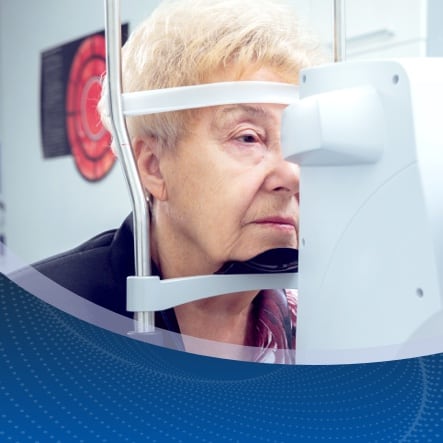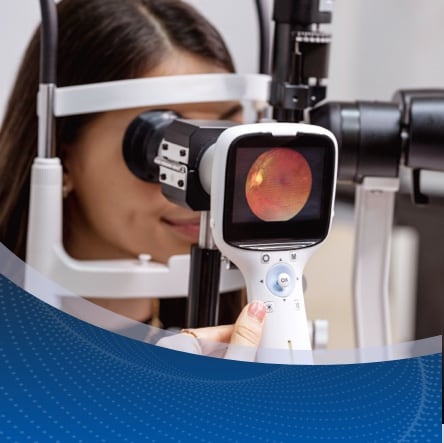


The average cataract surgery recovery time is about six to eight weeks, although many patients notice clearer vision within the first few hours after surgery. Your eye will continue to heal during this period, and your ophthalmologist will monitor your progress at follow-up appointments to ensure your recovery is progressing as expected.
Cataract surgery can be a life-changing procedure that restores clear vision and improves quality of life. However, one of the patients’ most common concerns is about recovery. How long do you need to rest after cataract surgery? How long do you need to wear an eye shield at night after cataract surgery? What kind of care will your eyes require during the cataract surgery recovery time? These are some of the many questions licensed ophthalmologists can easily answer for you.
Though you will start to see results within the first few days post-procedure, a full cataract surgery recovery typically takes about eight weeks. Follow the timeline below to get a full picture of what the average recovery period may look like for you.
Not sure if you need cataract surgery? Read our blog to recognize the seven signs!
Table of Contents
Going Home After Surgery
After your cataract surgery, you can most likely go home the same day. Arrange for a friend or family member to drive you, as you won’t be able to drive yourself. You might feel a bit groggy or disoriented initially, which is completely normal during the cataract surgery recovery time.
Once home, you’ll likely be tired and may want to nap. Before that, remember to wear the eye shield provided by your surgeon to protect your eye while you sleep. This shield may be removed the next day, but always follow your surgeon’s specific instructions.
Cataract Surgery Recovery Timeline: What to Expect
A cataract surgery recovery timeline generally takes around six to eight weeks. However, every patient heals differently depending on their overall eye health, the type of procedure performed, and their surgeon’s instructions.
Here is a week-by-week timeline of what you can expect during your recovery time:
| Recovery Stage | What to Expect |
| First 24 Hours | Blurry vision, mild discomfort, and sensitivity to light are normal. You will wear an eye shield to protect your eyes. Your vision may begin improving shortly after surgery, but some temporary changes are expected. |
| Days 2–7 | Vision often continues improving during the first week. Mild irritation, dryness, or light sensitivity may gradually decrease. Continue using prescribed eye drops and avoid rubbing your eye. |
| Week 2 | Many patients return to more normal daily routines. Continue to avoid activities that may put pressure on the eye, including heavy lifting or bending over, unless your doctor approves. |
| Weeks 3–4 | Most initial healing is complete. Your vision should continue stabilizing, although your eye may still be adjusting. Continue attending follow-up visits as recommended. |
| Weeks 5–8 | The eye continues completing the healing process. If needed, your doctor may determine when you are ready for a new prescription for glasses after your vision has stabilized. |
Immediate Post-Surgery Sensations
After cataract surgery, be aware of and manage the sensations you might experience. Please note the following tips to help ease your recovery:
- Grittiness: Feeling like there is sand in your eye is common and typically improves within a few days.
- Watering: Increased tearing is a normal response and should diminish soon.
- Blurred Vision: Temporary blurry vision is expected due to swelling and will gradually clear up.
- Double Vision: This might occur initially and generally resolves as your eye heals.
- Red or Bloodshot Eye: This is due to minor bleeding or irritation and usually fades within a few weeks.
Feeling and some visual function should return within a few hours post-surgery. However, full vision clarity may take a few days. If you need new glasses, you will be advised to wait until your eye has fully healed, generally after six weeks.
Cataract surgery has a 95% success rate in improving visual acuity.
For more information about cataract surgery’s strong safety and success rates, read our guide on cataract surgery safety.
Once recovered, you should be able to resume normal activities, including driving. If you experience increased pain, redness, or decreased vision, contact your eye surgery department immediately.
Healing from cataract surgery can vary. Book an evaluation to understand exactly what your recovery will look like and get personalized guidance for your eyes.
Worried About Cataract Surgery Recovery?
When Can You Return to Work, Drive, and Resume Activities?
Knowing when you can return to your normal routine is an important part of your cataract surgery recovery time. While many patients notice improved vision soon after surgery, your eye still needs time to heal before you can resume certain activities.
Your ophthalmologist will provide personalized guidance based on your healing progress, but the following timeline offers a general overview of what many patients can expect during recovery from cataract surgery.
Returning to Work After Cataract Surgery
The timeline for returning to work depends on the type of job you have and how quickly your eye heals.
- Desk jobs: Many patients can return to office-based work within a few days if their vision is improving and they feel comfortable.
- Physical or outdoor jobs: Jobs involving heavy lifting, dust, debris, or strenuous activity may require additional recovery time.
Your eye doctor can help determine when it is appropriate to return to your specific work environment.
When Can We Drive After Cataract Surgery?
Many patients wonder, “How long after cataract surgery can you drive?” You should not drive immediately after surgery because your vision may be temporarily blurry, and you will need someone to drive you home.
Your ophthalmologist will let you know when it is safe to resume driving based on your vision, intraocular pressure, and overall recovery. Many patients can resume driving once their vision meets the necessary requirements and they feel comfortable behind the wheel.
Exercise, Bending, and Heavy Lifting After Surgery
During the early stages of cataract surgery recovery, avoid activities that may increase pressure inside the eye or interfere with healing.
Your doctor may recommend avoiding:
- Heavy lifting
- Strenuous exercise
- Repeated bending at the waist
- Activities that may expose your eye to injury
Following these precautions helps support proper healing during the cataract surgery recovery timeline.
Swimming and Water Exposure
Avoid swimming and exposing your eye to potentially contaminated water until your surgeon confirms it is safe. Water exposure can increase the risk of irritation or infection while your eye is healing.
Always follow your ophthalmologist’s instructions, as your recommended timeline may vary based on your individual recovery.
When to Contact Your Doctor Immediately
While mild discomfort is expected after surgery, contact your Ophthalmologist right away if you experience:
- Severe pain or increasing redness in the operated eye (instead of gradual improvement).
- Sudden loss of vision or a significant increase in blurriness.
- Flashes of light, a surge of new floaters, or a dark “curtain” in your vision (possible signs of retinal detachment).
- Persistent nausea or a headache that doesn’t go away (could indicate high eye pressure).
Tip: Your surgeon should provide a 24-hour contact number for any urgent post-surgery concerns. Don’t hesitate to call if something doesn’t feel right.
Recovering After Surgery on Both Eyes
Some patients need cataract surgery on both eyes. When this occurs, your ophthalmologist will usually schedule procedures separately so each eye has time to heal.
Many patients have their second eye treated about one to two weeks after the first procedure, although timing depends on your eye health, recovery progress, and your surgeon’s recommendations.
The recovery time for one eye may not be identical to the recovery time for your second eye. Each eye can heal at its own pace, and your vision may continue adjusting as both eyes recover.
During this process, attending follow-up appointments and following your prescribed eye drop schedule can help support healthy healing.
Vision Changes Months or Years Later
Although the initial cataract surgery recovery time typically lasts about eight weeks, some patients may experience vision changes later.
A condition called secondary cataract (PCO), or posterior capsule opacification, can develop when the capsule behind the artificial lens becomes cloudy. This is not the original cataract returning, but it can cause blurry vision or glare.
Dos and Don’ts for Recovery
Do:
- Rest for 2–3 days after surgery
- Take painkillers if necessary
- Use an eye shield at bedtime for at least 7 days
- Use prescribed eye drops
- Continue taking regular medications
- Bathe and shower with caution
- Wear an eye shield or sunglasses outside
- Engage in light activities
- Attend follow-up appointments with your eye doctor
- Be sure to understand your eye drop regimen
Don’t:
- Rub or touch your eye
- Get soap or shampoo in your eye
- Swim for 4–6 weeks
- Engage in strenuous activity
- Wear eye makeup for 4 weeks
- Travel by air without consultation
- Drive without approval
How To Use Your Eye Drops
After the procedure, you will receive prescribed eye drops from your doctor. Follow these steps to ensure you administer the drops correctly during your cataract surgery recovery time:
- Wash Your Hands: Always start by washing your hands thoroughly to avoid introducing any bacteria to your eyes.
- Prepare Your Eye Drops: If instructed, shake the bottle gently. Uncap the bottle so the dropper does not touch any surfaces.
- Tilt Your Head Back: Sit or lie down with your head tilted backward. A mirror could help guide you through the process.
- Pull Down Lower Eyelid: With one hand, gently pull down your lower eyelid to create a small pocket.
- Administer the Drop: Hold the bottle tip over your eye without touching it. Squeeze one drop into the pocket formed by your lower eyelid.
- Close Your Eye: Close your eye for a minute or two to allow the medicine to be absorbed. Avoid blinking or squeezing your eye.
- Blot Excess Drops: Use a clean tissue to gently blot away any excess liquid around your eye, but do not rub your eye.
- Repeat if Needed: If you miss and feel that the drop did not reach your eye, it’s safe to administer another drop without worrying about overdosing.
- Cap the Bottle: Always replace the bottle cap immediately after use to prevent contamination.
- Follow Schedule: Adhere to your prescribed schedule, which may include several times a day, as indicated by your doctor.
For official cataract surgery recovery guidelines, you can visit the American Academy of Ophthalmology (AAO) website for more detailed information on what to expect. Want to learn more about insurance coverage for cataract procedures? Read our related article: Does Medicare Cover Cataract Surgery?
Ready to Restore Your Vision?
Schedule your appointment online or call 757-776-0416 to speak with our eye care specialists. Visit us at Griffey Eye Care & Laser Center, trusted for expert cataract treatment.
**Please note that the suggestions provided in this blog are for general informational purposes only and may not be suitable for your specific insurance plan and cataract needs. It is important to consult a qualified healthcare professional for personalized advice and treatment.**
Frequently Asked Questions
How long does it take for vision to stabilize after cataract surgery?
Vision may begin improving shortly after surgery, but complete stabilization can take a few weeks. Your ophthalmologist will monitor your healing progress and determine when your vision has stabilized enough for a new prescription for glasses, if needed.
Is cataract surgery painful?
Most patients experience little discomfort during and after cataract surgery. Modern cataract surgery is virtually painless for many patients because numbing medication is used during the procedure. You may experience mild sensations such as grittiness, irritation, watering, or light sensitivity while your eye heals.
How long after cataract surgery can you drive?
You should not drive immediately after cataract surgery. Your ophthalmologist will determine when it is safe based on your vision and recovery progress. Many patients return to driving once their vision improves and their doctor confirms they meet the necessary requirements.