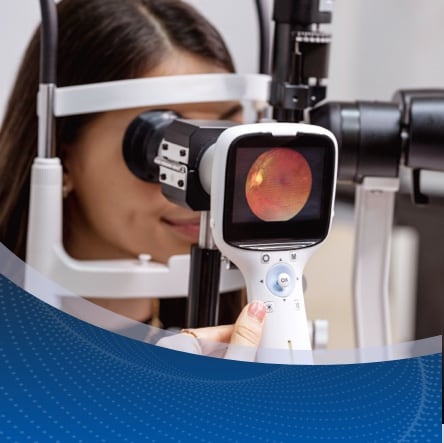


It’s common knowledge among those with diabetes that their condition can impact their eyesight. Nevertheless, a surprising 20% of individuals with diabetes did not receive their recommended annual dilated eye exam, according to recent findings. Dr. Paul M. Griffey, a seasoned ophthalmologist, emphasizes the importance of these exams: “It’s critical for diabetics to have an annual dilated exam because it can help them avoid complications.” Awareness is seemingly lacking, as some patients do not know that a yearly check is advised for maintaining diabetes and eye health.
Early Stage Diabetes Eye Symptoms
Early-stage diabetes can cause eye changes that many people overlook. Temporary blurred vision, difficulty focusing, increased light sensitivity, and mild visual fluctuations throughout the day are common. These occur because elevated blood sugar affects the lens and fluid balance within the eye. Even if these symptoms seem minor or come and go, they often signal the earliest phase of diabetes-related eye involvement, making early examination critical.
Diabetes And Its Effect On Eye Conditions
Those with diabetes must be vigilant about their ocular health, as they face heightened risks for conditions like glaucoma—nearly double that of non-diabetics. Similarly, people with diabetes are more susceptible to cataracts, which can lead to cloudiness in vision. But how else does diabetes affect the eyes? Learning this can provide the crucial knowledge to take proactive steps in diabetic eye care.
Diabetes Eye Problems
Diabetes raises the risk of several serious eye issues, including:
- Diabetic Retinopathy: Progressive retinal vessel damage leading to vision impairment.
- Diabetic Macular Edema: Swelling in the macula that affects central vision.
- Cataracts: Lens clouding that develops earlier and worsens faster in diabetics.
- Glaucoma: Increased pressure inside the eye leading to optic nerve damage.
Each condition stems from long-term effects of elevated blood sugar on ocular structures.
Stages of Diabetic Retinopathy
Diabetic retinopathy, the primary diabetic eye disease leading to blindness, progresses through four stages: mild, moderate, severe nonproliferative retinopathy, and proliferative retinopathy.
Dr. Griffey, who brings 14 years of experience, notes, “It’s very common for people with type 1 and type 2 diabetes to develop nonproliferative retinopathy, but most people have no symptoms. That’s why annual dilated eye exams are so important.”
Vision Loss From Diabetes
Diabetes can temporarily or permanently affect vision. Short-term spikes or drops in blood sugar may cause intermittent blurriness as the lens changes shape. While these episodes often resolve once glucose levels stabilize, frequent fluctuations may indicate retinal strain. Over time, uncontrolled diabetes increases the likelihood of chronic eye conditions that can impair vision permanently. Recognizing these changes early is vital to preventing long-term complications.
How Diabetes, Blood Sugar, and Vision Connect

Blurry vision does not always signify a lasting issue; sometimes, it’s temporary and linked to elevated blood sugar levels. Patients often ask, “Does low blood sugar cause blurry vision?” Fluctuations in blood sugar can affect eyesight, but typically do not result in permanent changes unless they lead to recurrent damage. Keeping blood sugar levels close to normal is a vital diabetic eye care tip that can reduce the risk of experiencing diabetic retinopathy.
Read About: What Diabetic Patients Need to Know About Cataract Surgery?
Can Diabetes Affect Your Eyes?
Yes. Diabetes can affect the eyes at any stage, even when there are no symptoms. Much of the early damage occurs silently as blood sugar affects the retina long before noticeable vision changes begin. This is why routine dilated exams are indispensable for early detection and intervention.
How to Prevent Eye Damage From Diabetes?
To preserve eye health and prevent the progression of diabetes-related eye conditions, consider these essential practices:
- Keep Blood Pressure in Check: Elevated blood pressure can exacerbate eye problems, so maintaining it within a healthy range is crucial for protecting your vision.
- Quit Smoking: Smoking can lead to a variety of health issues, including detrimental effects on eye health. Abstaining from smoking can significantly reduce the risk of eye diseases.
- Regular Dilated Eye Exams: Essential for early detection of retinopathy, these exams should be performed annually as diabetic retinopathy often goes unnoticed in regular vision check-ups.
When to Seek Medical Advice
Recognizing the symptoms of eye problems early could be lifesaving for your vision. Diabetics should promptly make appointments with their eye doctors if they experience any of the following signs:
- Difficulty Reading Signs: A sudden difficulty reading road signs or small print may indicate vision changes related to diabetes.
- Persistent Eye Pain: Continuous discomfort or pain in the eyes is a serious sign and warrants immediate consultation with an eye care professional.
- Onset of Redness: The appearance of redness in the eyes could be symptomatic of inflammation or other diabetes-induced ocular issues.
- Increase in Floaters and Spots: A noticeable surge in floaters or spots in one’s field of vision could suggest bleeding within the eye and require urgent medical attention.
Conclusion and Care Recommendations
The connection between diabetes and eyesight must be acknowledged. Taking control of your health by regularly monitoring your blood sugar and blood pressure, paired with making lifestyle changes and adhering to annual eye examinations, can help prevent serious eye diseases associated with diabetes. If you’re living with diabetes, remember that a solid diabetic eye care plan can protect your vision and lead to a better quality of life. Book your appointment with Griffey Eye Care & Laser Center today.
**Please note that the suggestions provided in this blog are for general informational purposes only and may not be suitable for your specific insurance plan and eyecare needs. It is important to consult a qualified healthcare professional for personalized advice and treatment.**