
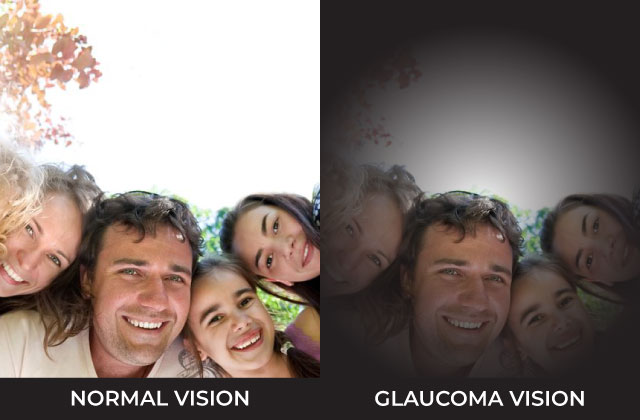
Glaucoma vision loss usually begins as gradual peripheral vision loss, meaning you may lose side vision before noticing changes in the center of your vision. Over time, untreated glaucoma can progress to tunnel vision and, in severe cases, blindness, although central vision is often preserved until the disease is advanced. Glaucoma is already a major cause of vision loss in the U.S., affecting more than 3 million Americans, and that number is projected to reach 6.3 million by 2050 as the population ages.
This article explains what glaucoma vision loss can look like, how it affects night vision, why early detection matters, and what treatment options may help preserve your remaining vision.
Table of Contents
What Does Vision Look Like With Glaucoma?
Glaucoma does not usually begin as sudden blindness, a dark curtain, or complete blurriness. In many cases, it starts quietly by affecting side vision.
Because central vision often stays clear until later stages, a person may not realize anything is wrong. The brain may fill in missing visual information, and one eye may compensate for the other. This is one reason glaucoma is sometimes called the “silent thief of sight.”
Common glaucoma-related vision changes may include:
- Missing areas at the edge of vision
- Blurry, dim, or faded side vision
- Blind spots
- Trouble noticing objects off to the side
- Increased glare or halos around lights
- More difficulty seeing in low light
- Tunnel vision in advanced stages
Glaucoma Vision Loss by Stage
| Glaucoma Stage | What Vision May Look Like | What You May Notice |
| Early glaucoma | Vision may look normal | Usually no symptoms, no pain, and no obvious vision change |
| Moderate glaucoma | Side vision may become blurry, dim, or patchy | Trouble seeing objects from the side, more glare, or difficulty in low light |
| Advanced glaucoma | Peripheral vision becomes very limited | Tunnel vision, mobility difficulty, and trouble noticing hazards |
| End-stage glaucoma | Severe vision loss or blindness | Very limited usable vision or no usable vision |
1. Early-Stage Glaucoma: Vision May Look Completely Normal
In early glaucoma, most people do not notice vision changes. You may feel fine, see clearly straight ahead, and have no eye pain.
This can be misleading. The optic nerve may still be slowly damaged even when your vision seems normal. Peripheral vision loss can begin subtly, but it may not be obvious in daily life.
What it may feel like:
You are looking at a full picture, but the outer edges are starting to fade slightly. The change is so gradual that you may not notice it.
This is why comprehensive eye exams are important. A glaucoma evaluation can check eye pressure, examine the optic nerve, and test the visual field before symptoms become obvious. The National Eye Institute lists dilated eye exams and visual field testing as part of glaucoma diagnosis.
2. Moderate Glaucoma: Side Vision Starts to Disappear
As glaucoma progresses, peripheral vision loss may become easier to notice. Objects outside your direct line of sight may seem blurry, dim, or missing.
You may notice:
- Trouble seeing someone approaching from the side
- Difficulty noticing a car in your side view
- Missing objects on the floor near your feet
- More glare from headlights or bright lights
- Trouble seeing clearly in dim rooms
- A need for brighter lighting when walking or reading
What it may feel like:
You are looking through a window where the center is clear, but the edges are smudged, faded, or missing in patches.
3. Advanced Glaucoma: Tunnel Vision Can Develop
In advanced glaucoma, peripheral vision loss can become severe. This may lead to tunnel vision, which means only a narrow central field of vision remains.
A person with tunnel vision may see what is directly in front of them but miss people, cars, steps, furniture, or objects to the side.
Daily activities may become harder, including:
- Walking down stairs
- Crossing streets
- Moving through crowded areas
- Driving safely
- Seeing curbs or floor-level hazards
- Navigating dark rooms
Central vision used for reading, screen use, or watching TV may still be present, but the surrounding visual field becomes much smaller.
What it may feel like:
You are looking through a narrow tube. The center is still visible, but most of the side view is gone.
4. End-Stage Glaucoma: Severe Vision Loss or Blindness
If glaucoma is not treated or continues to progress, vision loss can become severe. In end-stage glaucoma, a person may have very little usable vision or total blindness.
Vision lost from glaucoma usually cannot be restored because optic nerve damage is permanent. Treatment focuses on lowering eye pressure, protecting the optic nerve, and reducing the risk of additional vision loss. The National Eye Institute lists glaucoma treatment options as medicine, laser treatment, and surgery.
What it may feel like:
The field of vision becomes smaller, darker, or more incomplete over time until only limited vision remains.
How Is Glaucoma Vision Loss Different From Other Eye Conditions?
Different eye diseases affect vision in different ways. This comparison can help explain why a comprehensive eye exam is needed.
| Condition | Part of the Eye Commonly Affected | Common Vision Pattern |
|---|---|---|
| Glaucoma | Optic nerve | Gradual peripheral vision loss, blind spots, tunnel vision in advanced cases |
| Cataracts | Eye lens | Cloudy, blurry, hazy, or dim overall vision |
| Macular degeneration | Macula/central retina | Central vision loss, trouble reading, trouble recognizing faces |
| Diabetic retinopathy | Retinal blood vessels | Blurred spots, floaters, distortion, or central vision changes |
Glaucoma vs. Cataracts
Cataracts usually cause cloudy, blurry, hazy, or dim vision. Glaucoma usually causes gradual peripheral vision loss while central vision may stay clear until the disease is more advanced.
For a broader comparison, see our guide on how long it can take to lose vision from cataracts.
Glaucoma vs. Macular Degeneration
Macular degeneration affects central vision first because it damages the macula, the part of the retina responsible for fine detail. It can make reading, recognizing faces, and seeing straight ahead more difficult. Glaucoma usually affects side vision first.
Glaucoma vs. Diabetic Retinopathy
Diabetic retinopathy affects blood vessels in the retina. It may cause floating spots, blurry areas, or distorted vision.
Glaucoma affects the optic nerve and often causes a gradual narrowing of the visual field.
Patients with diabetes should be proactive about routine eye care. Learn more in our diabetic eye exam guide.
How Does Glaucoma Damage Vision?
The optic nerve carries visual information from the eye to the brain. When glaucoma damages this nerve, parts of the visual signal can be permanently lost.
In many cases, glaucoma is related to fluid drainage inside the eye. The eye produces a clear fluid called aqueous humor. When this fluid does not drain properly, pressure inside the eye may rise. This pressure is called intraocular pressure, or IOP.
Over time, elevated eye pressure can damage optic nerve fibers. However, eye pressure is not the only factor. Some people develop normal-tension glaucoma, where optic nerve damage occurs even though eye pressure is within a normal range.
A glaucoma evaluation may include:
- Eye pressure measurement
- Dilated eye exam
- Optic nerve exam
- Visual field testing
- OCT or optic nerve imaging
- Drainage angle evaluation when needed
Once optic nerve fibers are damaged, they usually cannot regenerate. That is why early detection and regular monitoring are important.
Types of Glaucoma and How They Affect Vision
Glaucoma can affect one or both eyes, and the pattern of vision loss depends on the type of glaucoma. In many cases, one eye may be more affected than the other, which can make symptoms harder to notice because the stronger eye may compensate.
1. Open-Angle Glaucoma
Open-angle glaucoma is the most common type of glaucoma. It usually develops slowly and often causes no pain or noticeable symptoms in the early stages.
This type commonly affects both eyes, although one eye may be worse than the other. Vision loss usually begins with peripheral vision, or side vision. Because central vision may stay clear for a long time, many people do not realize they have glaucoma until optic nerve damage has already occurred.
2. Angle-Closure Glaucoma
Angle-closure glaucoma can happen when the drainage angle in the eye becomes blocked, causing eye pressure to rise quickly. Unlike open-angle glaucoma, this type may affect one eye suddenly and can cause dramatic symptoms.
Symptoms may include:
- Severe eye pain
- Headache
- Nausea or vomiting
- Red eye
- Blurred vision
- Halos around lights
These symptoms require emergency eye care because angle-closure glaucoma can threaten vision quickly.
3. Normal-Tension Glaucoma
Normal-tension glaucoma damages the optic nerve even when eye pressure is not considered high. The vision loss pattern may be similar to open-angle glaucoma, often affecting peripheral vision first.
This type may affect both eyes, but one eye can progress faster than the other. Because symptoms are usually gradual, regular eye exams are important for detecting changes before vision loss becomes noticeable.
4. Secondary Glaucoma
Secondary glaucoma develops because of another condition or factor, such as an eye injury, inflammation, diabetes, high blood pressure, or steroid use. It may affect one or both eyes depending on the underlying cause.
Vision changes can vary. Some people may experience gradual peripheral vision loss, while others may have faster changes if eye pressure rises suddenly or the underlying condition is not managed.
5. Congenital or Childhood Glaucoma
Congenital glaucoma is present at birth or develops in early childhood. It may affect one or both eyes and has a different presentation than adult forms of glaucoma.
Children may have cloudy eyes, light sensitivity, excessive tearing, or eyes that appear larger than normal. This type requires specialized eye care to protect developing vision.
Does Glaucoma Cause Night Vision Problems?
Glaucoma does not usually cause true night blindness, but it can make nighttime vision more difficult.
Night vision problems may happen because glaucoma can reduce peripheral vision, contrast sensitivity, and glare tolerance. This can make it harder to see curbs, steps, people, cars, or objects in dim light.
Glaucoma may affect night vision in these ways:
- Slow dark adaptation: Your eyes may take longer to adjust when moving from bright light to darkness.
- Reduced contrast sensitivity: It may be harder to separate objects from their background.
- Increased glare: Headlights, streetlights, and bright lamps may feel more intense.
- Peripheral vision loss in low light: If side vision is already reduced, hazards may be harder to notice at night.
Many patients notice these issues while driving at night, walking through dark rooms, or moving through unfamiliar places.
Tips to Manage Night Vision Problems With Glaucoma
These steps do not cure glaucoma, but they may make nighttime activities safer.
- Improve Lighting at Home
Use bright, even lighting in hallways, staircases, bathrooms, bedrooms, and entrances. Nightlights can help reduce fall risk if peripheral vision is limited. - Ask About Anti-Glare Lenses
Ask your eye doctor whether anti-reflective lenses may help with glare from headlights, streetlights, or indoor lighting. - Reduce Sudden Light Changes
Try not to look directly at bright headlights or harsh lamps. If glare affects your vision, pause and let your eyes readjust before walking or driving. - Keep Pathways Clear
Remove clutter from floors, stairs, and hallways. Use contrast where possible, such as clear stair-edge markings or rugs that do not blend into the floor. - Tell Your Eye Doctor About Worsening Symptoms
Mention new or worsening night glare, halos, low-light difficulty, or reduced side vision. These changes may mean your glaucoma needs closer monitoring or treatment adjustment. - Avoid Night Driving if It Feels Unsafe
If glare, halos, reduced side vision, or blind spots make night driving unsafe, avoid driving at night until your vision has been evaluated.
Can Glaucoma Vision Loss Be Reversed?
No. Vision loss from glaucoma usually cannot be reversed because optic nerve damage is permanent.
However, glaucoma treatment can often slow or help prevent further damage. A glaucoma diagnosis does not mean you will automatically go blind. Many people maintain useful vision when glaucoma is found early and managed consistently.
Treatment works best when patients:
- Attend regular follow-up visits
- Use eye drops exactly as prescribed
- Report new symptoms quickly
- Complete visual field testing as recommended
- Follow their eye doctor’s treatment plan
If you have noticed side vision changes, new blind spots, glare, halos, or worsening night vision, a glaucoma eye exam can help determine whether optic nerve damage or eye pressure changes are involved.
Treatment Options for Glaucoma
The goal of glaucoma treatment is to lower eye pressure, protect the optic nerve, and reduce the risk of further vision loss. Treatment may include prescription eye drops, laser treatment, surgery, or close monitoring.
1. Eye Drops
Eye drops are commonly used to lower eye pressure. They may work by reducing fluid production in the eye or helping fluid drain more effectively.
Common categories include:
- Prostaglandin analogs
- Beta-blockers
- Alpha agonists
- Carbonic anhydrase inhibitors
Using drops consistently is important. Missing doses may allow eye pressure to rise, which can increase the risk of further optic nerve damage.
2. Laser Treatment
Laser treatment may help fluid drain better or reduce fluid production.
Options may include:
- Selective Laser Trabeculoplasty, or SLT: Often used for open-angle glaucoma.
- Laser Peripheral Iridotomy, or LPI: Often used for narrow-angle or angle-closure glaucoma.
- Cyclophotocoagulation: Sometimes used in more advanced cases.
3. Surgery and MIGS
If eye drops or laser treatment are not enough, surgery may be recommended.
Traditional glaucoma surgery, such as trabeculectomy, creates a new drainage pathway to lower eye pressure.
MIGS, or minimally invasive glaucoma surgery, may be an option for select patients. These procedures are typically less invasive than traditional glaucoma surgery, but they are not right for everyone. Your ophthalmologist can determine whether you are a candidate.
4. Monitoring and Observation
Not every glaucoma suspect or very early case requires immediate treatment. Some patients are monitored closely with regular eye pressure checks, optic nerve imaging, and visual field testing.
If risk increases or test results change, your eye doctor may recommend treatment.
When Should You See a Doctor About Glaucoma?
Schedule an eye exam promptly if you notice:
- Loss of side vision
- New blind spots
- Worsening night vision
- Increased glare
- Halos around lights
- Trouble seeing objects off to the side
- A family history of glaucoma
Seek emergency eye care immediately if you have:
- Sudden severe eye pain
- Severe headache
- Nausea or vomiting
- Red eye
- Sudden blurred vision
- Halos around lights
These may be signs of acute angle-closure glaucoma, which can threaten vision quickly.
You should also ask about glaucoma screening if you:
- Have a family history of glaucoma
- Are Black or African American and over age 40
- Are over age 60
- Have diabetes
- Have high blood pressure
- Have used steroid medications for a long time
- Have had a previous eye injury
The CDC lists higher-risk groups for glaucoma, including Black people over age 40, all people over age 60, people with a family history of glaucoma, and people who have diabetes. The CDC also reports that Black people are 6 to 8 times more likely to get glaucoma than White people, and people with diabetes are 2 times more likely to get glaucoma than people without diabetes.
The American Academy of Ophthalmology recommends regular complete eye examinations for adults, with timing based on age, symptoms, and risk factors. Adults with healthy eyes and good vision under age 40 are generally advised to have a complete exam every 5 to 10 years, while adults in midlife and older adults may need exams more often.
You can also learn more about routine screening through our adult and senior eye exam services.
Key Takeaways
- Glaucoma often affects peripheral vision first, while central vision may stay clear until later stages.
- Early glaucoma usually has no pain or obvious symptoms, which is why regular eye exams are important.
- As glaucoma progresses, it may cause blind spots, glare, night vision problems, and tunnel vision.
- Vision loss from glaucoma usually cannot be reversed, but treatment can help slow or prevent further damage.
- Sudden eye pain, headache, nausea, blurred vision, or halos around lights may signal acute angle-closure glaucoma and require emergency eye care.
Schedule a Glaucoma Eye Exam at Griffey Eye Care
Glaucoma can damage vision before symptoms are obvious. A comprehensive glaucoma evaluation can check eye pressure, examine the optic nerve, and test your visual field to look for early signs of damage.
Griffey Eye Care & Laser Center provides glaucoma diagnosis, monitoring, and treatment for patients in Chesapeake and the surrounding areas.
To learn more, visit our glaucoma treatment options page. To schedule an appointment, book online or call Griffey Eye Care & Laser Center at 757-776-0416.
Frequently Asked Questions About Glaucoma and Vision
What does glaucoma vision loss feel like?
Early glaucoma usually does not feel like anything. There is often no pain and no obvious vision change. As glaucoma progresses, you may notice missing areas at the edges of your vision, trouble seeing in dim light, glare, or tunnel vision.
Can glaucoma cause blindness?
Yes. Glaucoma can cause blindness if it is not diagnosed and treated. However, early detection and consistent treatment can help reduce the risk of further vision loss.
Is glaucoma painful?
Congenital or Childhood GlaucomaOpen-angle glaucoma is usually not painful. Acute angle-closure glaucoma can cause sudden severe eye pain, headache, nausea, red eye, blurred vision, and halos around lights. These symptoms require emergency care.
How quickly does glaucoma cause vision loss?
Open-angle glaucoma often progresses slowly over years. Angle-closure glaucoma can cause vision-threatening symptoms much more quickly. The speed of vision loss depends on the type of glaucoma, eye pressure, optic nerve health, and how early treatment begins.
Is glaucoma vision loss in one eye or both eyes?
Glaucoma can affect one or both eyes, depending on the type. Open-angle glaucoma, the most common form, usually affects both eyes, although one eye may be worse than the other. Angle-closure glaucoma may affect one eye suddenly and can cause severe symptoms such as eye pain, headache, nausea, blurred vision, and halos around lights. Normal-tension glaucoma can also affect both eyes and often causes gradual peripheral vision loss.
**This article is for general educational purposes only and should not replace personalized medical advice. If you have symptoms of glaucoma, sudden vision changes, eye pain, or concerns about your eye health, consult a qualified eye care professional.**