
January is Glaucoma Awareness Month — an important time for screenings, educational events, and sharing resources for those impacted by glaucoma. Bringing awareness to glaucoma contributes to early detection, which can help prevent serious vision loss and blindness.
Glaucoma Awareness Month serves as a national reminder that early eye exams can prevent permanent vision damage. Because glaucoma often develops without noticeable symptoms, proactive screenings remain the most effective defense against irreversible vision loss. Educational outreach during January encourages individuals, especially those at higher risk, to prioritize comprehensive eye exams and understand their risk factors.
Here’s a breakdown of key information and ways you can get involved in raising awareness:
Table of Contents
What is Glaucoma?
Glaucoma is a group of eye diseases that damage the optic nerve, the cable that transmits visual information to the brain. This damage can lead to permanent vision loss if left untreated.
There are two main types of glaucoma:
- Primary Open-Angle Glaucoma (POAG): The most common form, where fluid buildup in the eye increases pressure, damaging the optic nerve.
- Angle-Closure Glaucoma: A less common type where the drainage channels for the fluid become blocked, causing a sudden increase in pressure.
Quick Fact: According to the Centers for Disease Control and Prevention (CDC), glaucoma is one of the leading causes of blindness in the United States.
Tip: Even if your vision feels normal, schedule a comprehensive dilated eye exam every 1–2 years after age 40 — earlier if you are at higher risk.
Who is at Risk for Glaucoma?
Certain populations face a significantly higher risk of developing glaucoma due to age, genetics, and underlying health conditions. Understanding these risk factors allows individuals to seek earlier screenings and preventive care.
- People over 60 years old
- Individuals with a family history of glaucoma
- People of African, Asian, or Hispanic descent
- Diabetics
- Severely nearsighted individuals
Why does family history matter?
If a close relative has glaucoma, your risk can be up to four to nine times higher than that of someone without a family history. This makes early and consistent monitoring especially important.
Tip: If glaucoma runs in your family, inform your eye doctor so they can tailor screening tests accordingly.
Why is Glaucoma Awareness Important?
Glaucoma is a leading cause of blindness, especially among African Americans and Latinos. Over 3 million Americans have glaucoma, and millions more worldwide are unaware they even have it.
Because glaucoma progresses slowly and subtly, many people do not notice any changes in their vision. However, as the disease gets worse, peripheral vision begins to deteriorate (for example, seeing things from the side). Without treatment, glaucoma can eventually cause irreversible blindness. Early detection helps prevent vision loss because the damage caused by glaucoma is irreversible.
Tip: If you notice difficulty seeing from the sides or bumping into objects more often, schedule an eye exam immediately.
How Is Glaucoma Detected Early?
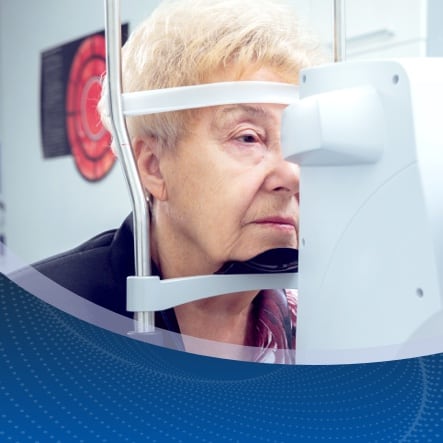
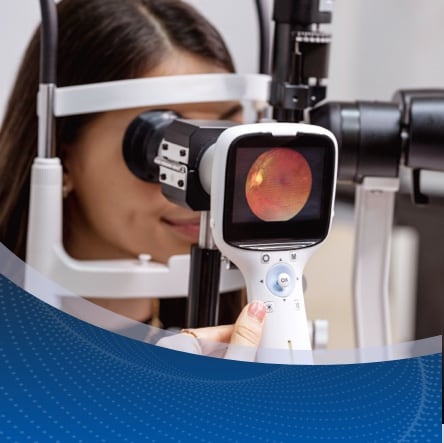
Early detection relies on comprehensive eye exams that measure eye pressure, assess optic nerve health, test peripheral vision, and evaluate corneal thickness. Because glaucoma has no early warning signs, routine screening remains the most reliable method for diagnosis.
Eye doctors may perform:
- Tonometry (measuring eye pressure)
- Optical coherence tomography (OCT) imaging
- Visual field testing
- Dilated optic nerve examination
These diagnostic tools help detect structural changes before noticeable vision loss occurs.
Tip: Do not skip annual eye exams even if you have 20/20 vision. Visual clarity does not rule out glaucoma.
History of Glaucoma Awareness Month
Glaucoma awareness efforts have evolved over decades through medical breakthroughs, nonprofit initiatives, and global education campaigns. The history of Glaucoma Awareness Month reflects an ongoing commitment to reducing preventable blindness worldwide.
1857
Albrecht von Graefe, a pioneer in ophthalmology, developed a method for diagnosing glaucoma and laid the groundwork for modern treatment and knowledge.
1978
The Glaucoma Research Foundation was established. This non-profit organization funds research educates the public, and provides support to those affected by glaucoma.
1995
National Glaucoma Awareness Month was officially recognized to raise public awareness about this silent disease.
2002
The “Big Picture” initiative was launched to encourage people with glaucoma to share their stories. This initiative focused on the human impact of glaucoma, which raised public awareness and support.
2012
World Glaucoma Week was initiated and expanded the reach of awareness campaigns beyond national borders.
These milestones highlight the growing recognition of glaucoma as a global public health concern.
How You Can Help Raise Awareness
Raising awareness about glaucoma helps increase early detection rates and reduce preventable blindness. Community involvement, education, and advocacy all contribute to broader public understanding of the disease.
Spread the Word
Talk to friends and family about glaucoma, especially those at higher risk. Share information and resources you find online.
Get Involved in Your Community
Participate in local events, volunteer at vision screenings, or organize educational talks.
Donate to the Glaucoma Research Foundation
Donate to a trusted research organization to support the fight against glaucoma. Every contribution, big or small, brings us closer to a cure for this sight-threatening disease.
Join a Glaucoma Support Group
Connect with others who understand what you’re going through. It’s a great way to share experiences, learn, and find support.
Resources To Share
Spread the word about glaucoma! Use these resources to educate your loved ones and help them protect their vision.
For Patients
- Glaucoma Resources – NEI
- Glaucoma Research Foundation Resources
- NEI Videos and Webinars
- Glaucoma Animation – YouTube
- Prevent Blindness
- Vision Health Advocacy Coalition
For Patients and Caregivers
For Caregivers
Key Takeaways
- Glaucoma is a progressive eye disease that damages the optic nerve and can cause irreversible vision loss.
- It often develops without noticeable symptoms in its early stages.
- Individuals over 60, those with a family history, diabetics, and certain ethnic groups face a higher risk.
- Early detection through comprehensive eye exams is the most effective way to prevent blindness.
- Glaucoma Awareness Month plays a critical role in encouraging screenings, education, and community involvement.
- Vision lost due to glaucoma cannot be restored — but early treatment can slow or stop progression.
Conclusion
Glaucoma remains one of the leading causes of preventable blindness worldwide, yet millions of people are unaware they are living with it. Because the disease progresses silently, waiting for symptoms is not a safe strategy. Awareness, routine screenings, and early diagnosis are the strongest defenses against permanent vision loss.
January’s Glaucoma Awareness Month is more than a campaign — it is a call to action. By educating ourselves and others, encouraging comprehensive eye exams, and supporting research initiatives, we can reduce the number of individuals who lose vision unnecessarily.
Protecting your sight starts with a simple step: scheduling a comprehensive eye exam. Early detection does not just preserve vision — it protects independence, quality of life, and long-term eye health.
Learn More and Take Action
Taking action during Glaucoma Awareness Month can protect your vision and the vision of those you care about. Scheduling routine eye exams and staying informed are the most powerful tools against glaucoma-related blindness.
Book an appointment with Griffey Eye Care & Laser Center for more detailed information about glaucoma, including types, treatments, and risk factors. Our team has over 50 years of experience detecting, treating, and managing varying cases of glaucoma and has the technology and support to target your unique case.
Even if you do not have glaucoma, you can still be a part of our cause. Raising awareness and encouraging regular eye exams means we can fight glaucoma together and protect sight for millions. Visit our website for more.
**Please note that the suggestions provided in this blog are for general informational purposes only and may not be suitable for your specific insurance plan and glaucoma needs. It is important to consult a qualified healthcare professional for personalized advice and treatment.**