
Reviewed By: Dr. Paul M. Griffey
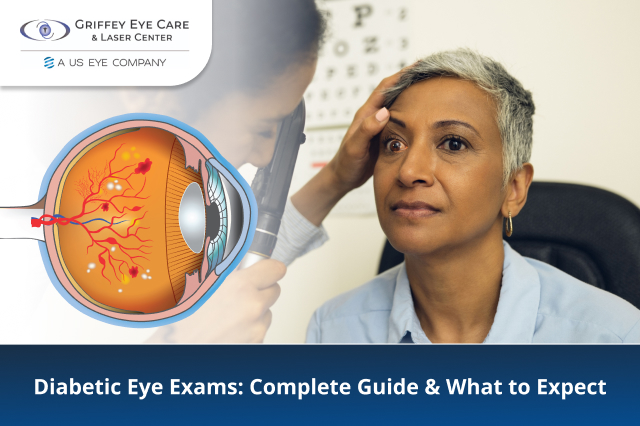
For people with diabetes, vision protection starts with regular diabetic eye exams. These evaluations go beyond routine eye exams to spot diabetes-related changes early—often before symptoms even develop or become noticeable. High blood sugar can injure tiny retinal blood vessels and raise risks for problems such as diabetic retinopathy, diabetic macular edema, cataracts, and glaucoma. The earlier these are found, the more options are on the table to preserve sight.
What is a Diabetic Eye Exam?
A diabetic eye exam is a comprehensive evaluation that pays extra attention to the retina, macula, and optic nerve. It includes elements of a routine exam, accompanied by a close inspection and imaging designed to detect diabetes-related damage as early as possible.
Conditions screened include:
- Diabetic retinopathy (leaking or fragile retinal vessels)
- Diabetic macular edema (swelling in central vision)
- Glaucoma risk (pressure and nerve changes)
- Cataracts (earlier or faster lens clouding with diabetes)
How a Diabetic Exam Differs from a Regular Exam?
While both types of visits may feature some of the same tools and tests, the priorities differ slightly. A diabetic visit looks deeper for retina and blood-vessel changes, and:
- Always includes a dilated retinal exam (unless otherwise specified).
- More often uses advanced imaging (retinal photos, OCT) to document or track subtle changes.
- It is typically done every year (sooner if changes are present), while routine exam timing varies by demographic.
What They Do During a Diabetic Eye Exam?
Built to detect problems early, a diabetic eye exam zeroes in on the retina and optic nerve. Expect the following steps:
- History and risk review. Your provider notes the type of diabetes, its duration, A1C trends, medications, and any recent changes in your vision.
- Vision test (visual acuity). Screens for blurring and fluctuation.
- Eye pressure check. Looks for glaucoma risk.
- Front-of-eye exam (slit lamp). Checks cornea, lens (for cataracts), and iris.
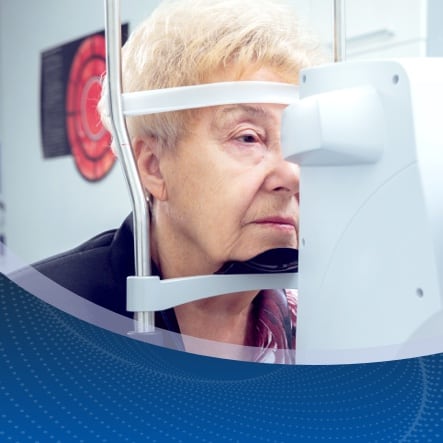
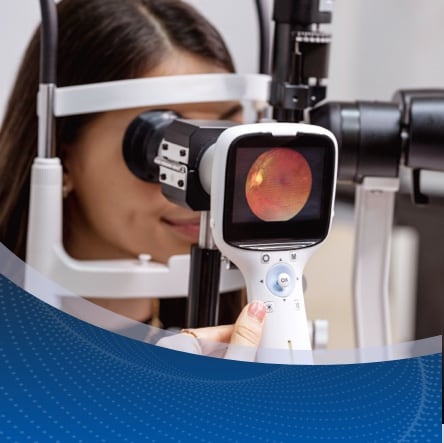
- Dilation and retinal exam. After drops widen the pupils, the retina, macula, and optic nerve are examined in detail.
- Imaging as needed. Retinal photography documents baseline; OCT scans the macula for swelling; other tests may be added if the view is limited or changes are suspected.
Plan for temporary light sensitivity and near-blur after dilation. Bring sunglasses and consider a driver.
How Often Should Diabetic Eye Exams Be Done?
Most people need a yearly dilated exam. If you have type 2 diabetes, schedule one at diagnosis and then every year. For type 1, schedule your first exam within five years of diagnosis and repeat it annually. If you’re pregnant and have diabetes, get an exam in the first trimester and follow your doctor’s schedule. Your doctor may recommend more frequent visits if any changes are detected or if your blood sugar levels fluctuate.
Why These Exams Matter?
Diabetes-related eye disease can be silent at first, and vision damage often starts without notice. Regular exams:
- Catch small vessel changes before vision is affected.
- Guide timely treatment to stabilize or improve findings.
- Create a documented baseline to compare over time.
Good glucose, blood pressure, and cholesterol control still matter—a lot—but screening is your safety net.
Who Performs Diabetic Eye Exams?
Optometrists and ophthalmologists both perform diabetic eye exams. Optometrists diagnose, monitor, and treat various conditions; ophthalmologists provide medical and surgical care when necessary. Many patients see the same team for routine care, monitoring, and treatment.
Does Medicare Cover Diabetic Eye Exams?
Yes. Medicare typically covers a yearly diabetic retinal exam for people with diabetes under medical benefits. Coverage specifics vary by plan, so bring your insurance details and any referral requirements. Commercial plans often provide similar medical coverage for diabetic visits and imaging. Read more on Medicare coverage for eye exams here.
When to Call Sooner Than Your Annual Exam
Don’t wait if you notice any of the following:
- Sudden floaters, flashes, or a curtain-like shadow
- Blurry or wavy central vision
- Eye pain, redness, or sudden vision loss
- Prompt evaluation can be sight-saving.
FAQs
Can optometrists do diabetic eye exams?
Yes. Optometrists routinely conduct diabetic screenings, manage many findings, and co-manage care with ophthalmologists when needed.
What do they do during a diabetic eye exam?
History/A1C review, vision testing, pressure check, slit-lamp exam, dilation with a detailed retinal evaluation, and imaging (photos/OCT) as needed.
What if my exam is normal?
Great—keep the annual schedule and maintain control of your glucose and blood pressure. A stable, documented baseline helps your doctor catch small changes early.
What if changes are found?
Your provider will set a monitoring schedule and discuss treatments (from tighter systemic control and drops to in-office procedures or surgery, depending on the findings).
Bottom line
Diabetic eye exams are the single best way to protect sight when you’re living with diabetes. At Griffey Eye Care, exams are built for early detection—dilated retinal evaluation with on-site imaging when needed—and a clear plan you can act on. If it’s been a year (or longer), schedule a diabetic eye exam with Griffey and stay ahead of preventable vision loss.
**Please note that the suggestions provided in this blog are for general informational purposes only and may not be suitable for your specific insurance plan and needs. It is important to consult a qualified healthcare professional for personalized advice and treatment.**